
From framework agreement to the ability to deliver
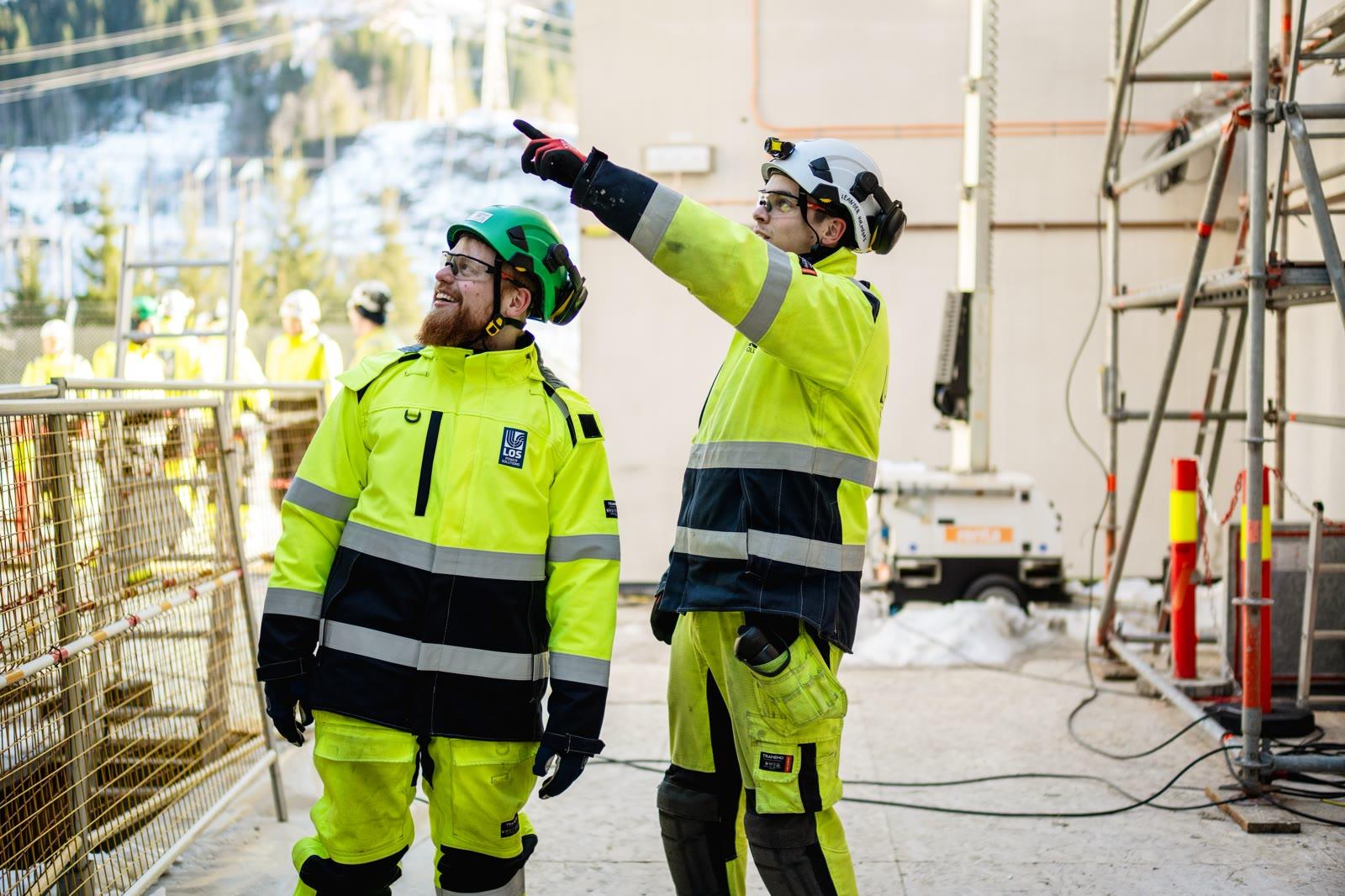
Norway needs to renew and further develop the power grid. A higher pace of construction is not only about more resources. It is also about planning smarter, using competence well, and finding solutions that work in practice.
With a new nationwide framework agreement with Statnett, LOS Power will contribute to the installation of 170 kV and 420 kV land cables in the Norwegian transmission grid. The agreement comes at a time when the need for efficient construction and renewal of power infrastructure is large.
Large power projects involve many technical communities, technical assessments and operations that have to work together. When a high-voltage cable system is to be installed, it is not enough that the solution works on paper. It also has to be possible to build it efficiently and safely on site.
This is where cooperation between engineers and installers matters. LOS Power has gathered engineering and installation in the same organisation. That makes it possible to see design and practical delivery together, from the early assessments to the finished installation.
The good solutions start early
Many of the decisions that affect how a project is delivered are made long before installation starts. The choice of technical solutions, working methods and schedules affects how the work can be done.
Installing high-voltage cables means taking account of cable handling, access, space and coordination with other activities on site.
For Øystein Håvik, Head of Engineering at LOS Power, it is important that the technical solutions are developed from how the work will actually be carried out.
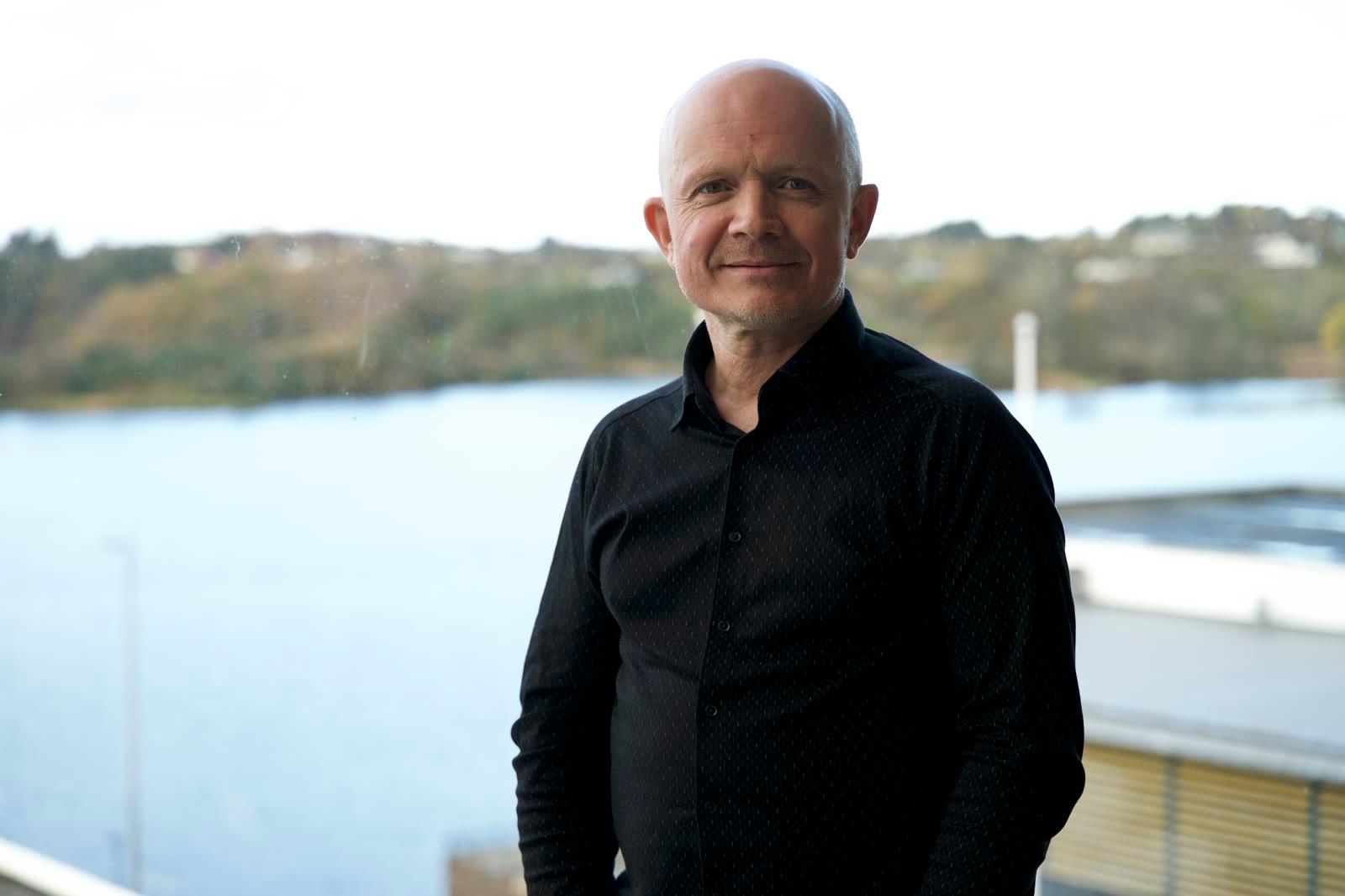
“A solution can be sound in purely technical terms, but if it is unnecessarily complicated to build, we have not necessarily found the best solution. That is why it is important that we involve the people who will do the work, already in the engineering phase. When we combine engineering competence with the experience of the installers in the field, we can uncover challenges earlier and find solutions that work better in practice,” says Håvik.
That can reduce the risk of changes and unnecessary delays along the way.
Experience from one project is carried into the next
Through projects such as Yggdrasil, Øygarden and Hamang, the company has built experience from demanding high-voltage and cable installations.
Each project brings different challenges, but the experience can be used to improve how new assignments are planned and delivered. That can be about technical solutions, the choice of installation methods, logistics, or coordination between disciplines.
For us, it is important that experience from work in the field also becomes part of the basis for new technical assessments. In that way, practical competence and engineering can keep developing the working methods.
“We always have to think about how the solutions affect both the delivery and the economics of the project. It is not necessarily about choosing the simplest solution on paper, but about finding the one that works best when the work is to be done. The experience we carry from earlier projects is important when we make those assessments,” says Håvik.
The ability to deliver matters more and more
The need to renew and further develop the Norwegian power grid places large demands on the suppliers who will deliver the projects. It requires specialist competence, good coordination, and the ability to handle technical challenges along the way.
For Managing Director Jan Torstensen, the combination of engineering and the company’s own installers is a central part of its ability to deliver.
“The new framework agreement with Statnett confirms that our model of joining in-house engineering with our own certified installers gives the confidence and the ability to deliver that the market requires,” says Torstensen about the award from Statnett.
To deliver large power projects efficiently, planning, technical solutions and practical execution have to hang together. It is precisely in that interaction that we see the opportunity to build smarter.
For us, the ability to deliver is not only about having the resources that are needed, but about using them well — from the first technical assessment to the final test.
This article was originally published in Norwegian. Read the Norwegian article.